Introduction
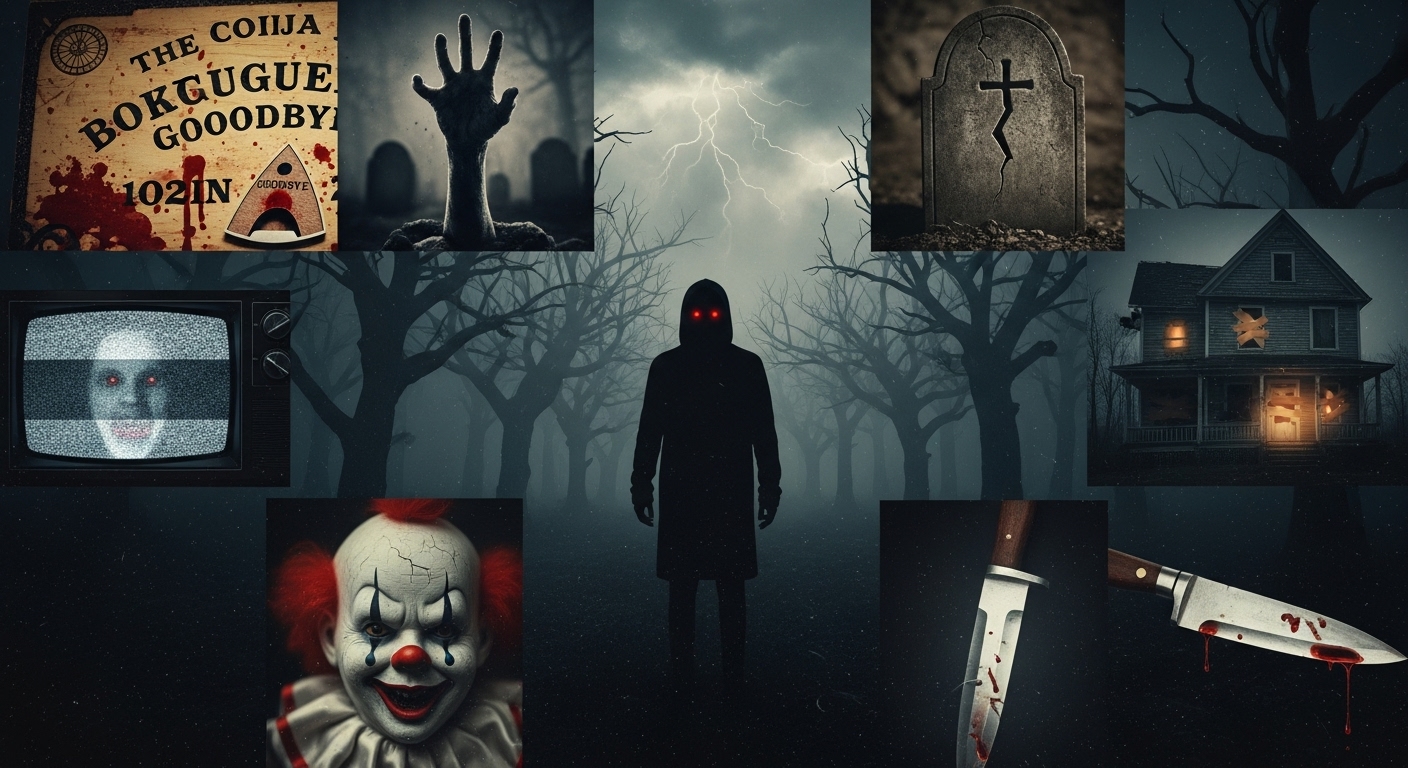
Horror has always held a unique place in cinema. Unlike any other genre, it thrives on fear, suspense, shock, and a fascination with the unknown. From gothic monsters of the early 20th century to psychological thrillers and supernatural stories of today, horror films have evolved dramatically over the decades. While some films focus on grotesque visuals and jump scares, others explore the subtle horror of the human psyche, leaving audiences unsettled long after the credits roll.
Ranking horror movies is never an easy task. Different audiences find different elements frightening—some are terrified of supernatural beings, others fear realistic depictions of violence, and still others are disturbed by psychological manipulation. However, there are certain films that have stood the test of time, earning recognition as masterpieces of the genre. In this blog post, we will explore some of the greatest horror movies ever made, ranking them based on their influence, storytelling, originality, and ability to terrify.
The Birth of Horror Cinema
Before diving into the top-ranked movies, it is important to recognize the origins of horror cinema. Early classics like Nosferatu (1922) and Frankenstein (1931) helped define the genre, laying the foundation for everything that followed. These films introduced the themes of monstrous creatures, fear of the unknown, and humanity’s struggle with mortality.
While these early works may not scare modern audiences the way they once did, their influence cannot be overstated. Without them, later horror films would not have had the visual language, atmosphere, or narrative techniques that have since become staples of the genre.
Criteria for Ranking
To fairly rank the best horror movies, we consider several key factors:
- Cultural Impact – Did the movie influence other filmmakers or create a lasting legacy?
- Fear Factor – Did it genuinely scare audiences at the time of release and still hold power today?
- Originality – Did the movie bring something new to the genre, or reinvent existing horror tropes?
- Storytelling and Atmosphere – Did the movie craft a compelling narrative and maintain an eerie mood throughout?
With these factors in mind, let us look at the most remarkable horror movies of all time.
The Shining (1980)
Stanley Kubrick’s The Shining is widely considered one of the greatest horror films ever made. Adapted from Stephen King’s novel, it tells the story of Jack Torrance, a writer who becomes the winter caretaker of the isolated Overlook Hotel. Slowly, Jack descends into madness, influenced by supernatural forces within the hotel.
The film’s brilliance lies in its psychological terror. The haunting imagery, unsettling silence, and Jack Nicholson’s unforgettable performance as Jack Torrance all contribute to its legacy. Scenes such as the ghostly twins in the hallway, the phrase “Here’s Johnny,” and the endless maze chase are etched into pop culture forever.
What sets The Shining apart is that it does not rely solely on gore or jump scares. Instead, it builds tension through atmosphere and the slow unraveling of a man’s mind, making it a horror film that lingers long after the first watch.
Psycho (1960)
Alfred Hitchcock’s Psycho revolutionized both horror and cinema as a whole. Known for its shocking twists, this movie follows Marion Crane, who checks into the Bates Motel, run by the seemingly mild-mannered Norman Bates.
The infamous shower scene remains one of the most iconic moments in film history, terrifying audiences with its sudden brutality. Beyond that single moment, Psycho is a masterclass in suspense and psychological horror. Norman Bates, played by Anthony Perkins, became one of the most memorable and complex villains in film history.
What makes Psycho stand out is its ability to play with audience expectations, shifting the story halfway through and leaving viewers constantly unsettled. It broke cinematic taboos, influenced countless filmmakers, and is often cited as the birth of the modern slasher genre.
The Exorcist (1973)
Often described as the scariest movie ever made, The Exorcist tells the terrifying story of a young girl, Regan, who becomes possessed by a demonic force. Her mother seeks help from two priests, leading to one of the most intense exorcism scenes ever filmed.
The film shocked audiences upon release with its disturbing imagery, including Regan’s grotesque transformation and violent outbursts. Reports of fainting, vomiting, and even panic attacks during screenings contributed to its reputation as a terrifying experience.
What makes The Exorcist endure, however, is not only its shock value but also its exploration of faith, good versus evil, and the fragility of human belief. It remains a landmark in horror cinema and one of the most influential films ever created.
Halloween (1978)
John Carpenter’s Halloween introduced audiences to Michael Myers, one of the most iconic killers in horror history. The story follows babysitter Laurie Strode as she tries to survive a relentless stalker on Halloween night.
This film essentially launched the slasher craze of the late 70s and 80s. Its use of a masked, silent killer, eerie synthesizer score, and suspenseful camerawork created a blueprint for the slasher genre that countless films attempted to replicate.
Despite its low budget, Halloween remains chilling because of its simplicity. The sense of vulnerability and inevitability, combined with Jamie Lee Curtis’s strong performance, make it a timeless horror classic.
A Nightmare on Elm Street (1984)
Wes Craven’s A Nightmare on Elm Street brought something entirely new to the horror genre by blending reality with dreams. Freddy Krueger, a vengeful spirit who attacks teenagers in their sleep, quickly became one of horror’s most recognizable villains.
The concept of a killer who can strike in dreams, where people are most vulnerable, terrified audiences and introduced a fresh type of supernatural horror. The film’s surreal visuals and inventive death scenes set it apart from other slashers of the time.
What makes A Nightmare on Elm Street particularly terrifying is its inescapability. Everyone must sleep, and the idea that sleep could lead to death made it resonate deeply with audiences.
The Texas Chain Saw Massacre (1974)
Tobe Hooper’s The Texas Chain Saw Massacre is one of the most raw and unsettling horror films ever made. Loosely inspired by real-life killer Ed Gein, the film follows a group of friends who encounter Leatherface and his cannibalistic family in rural Texas.
The movie is notable for its documentary-like realism, which adds to the horror. Despite its reputation, the film does not actually show much gore. Instead, it relies on suggestion, atmosphere, and sheer brutality to disturb viewers.
The grim, relentless tone of The Texas Chain Saw Massacre has made it one of the most influential horror films of all time, inspiring decades of slasher and survival horror movies.
Get Out (2017)
Jordan Peele’s Get Out redefined modern horror by mixing social commentary with psychological and supernatural elements. The story follows Chris, a young Black man who visits his white girlfriend’s family, only to uncover a disturbing secret.
What makes Get Out exceptional is its layered storytelling. It addresses racial tensions and exploitation while delivering suspense, jump scares, and a sense of dread. Peele’s innovative approach earned the film critical acclaim and even an Academy Award for Best Original Screenplay.
Get Out proved that horror can be both terrifying and intellectually engaging, sparking conversations about race and society while also entertaining audiences with its chilling narrative.
Hereditary (2018)
Ari Aster’s Hereditary is one of the most disturbing films of recent years. It tells the story of a grieving family that becomes entangled in dark supernatural events after the death of their grandmother.
The film’s strength lies in its emotional core. It is not just about supernatural horror but also the horrors of grief, trauma, and family dysfunction. Combined with unsettling visuals and shocking moments, Hereditary leaves audiences shaken long after the credits roll.
The performance by Toni Collette as the grieving mother is particularly haunting, making Hereditary both a critical and fan favorite in modern horror.
The Conjuring (2013)
James Wan’s The Conjuring revitalized supernatural horror for a new generation. Based on the real-life paranormal investigations of Ed and Lorraine Warren, the film follows a family tormented by a malevolent spirit in their farmhouse.
Wan masterfully uses suspense, atmosphere, and minimal jump scares to create a terrifying experience. Unlike many horror movies that rely heavily on gore, The Conjuring emphasizes atmosphere and story, making it more effective and enduring.
The success of this film also launched an entire cinematic universe, proving that audiences still crave chilling ghost stories when told with skill and creativity.
Other Notable Mentions
While the above films rank among the very best, many others deserve recognition. Rosemary’s Baby (1968), It Follows (2014), The Babadook (2014), The Ring (2002), and Paranormal Activity (2007) each brought something new and terrifying to audiences worldwide. These films may not all hold top spots, but their contributions to horror are significant.
Why Horror Endures
Horror movies endure because they tap into primal human fears. Whether it is fear of death, the unknown, isolation, or loss of control, horror reflects the anxieties of society at different times. In the 1970s, horror explored themes of possession and serial killers. In the 2000s, it leaned into found footage and supernatural hauntings. Today, it often mixes social commentary with psychological terror.
The best horror movies not only frighten but also stay relevant, resonating with audiences across generations. They are cultural mirrors, showing us what society fears most in any given era.
Conclusion
From classics like Psycho and The Shining to modern masterpieces like Get Out and Hereditary, horror movies have consistently evolved while maintaining their core purpose: to terrify, disturb, and captivate. Ranking the top horror movies may always spark debate, as fear is deeply personal. However, the films discussed here represent the pinnacle of horror storytelling, atmosphere, and impact.
Horror will continue to evolve, reflecting new fears in a rapidly changing world. Yet, these masterpieces will remain timeless examples of how powerful and unforgettable the genre can be.